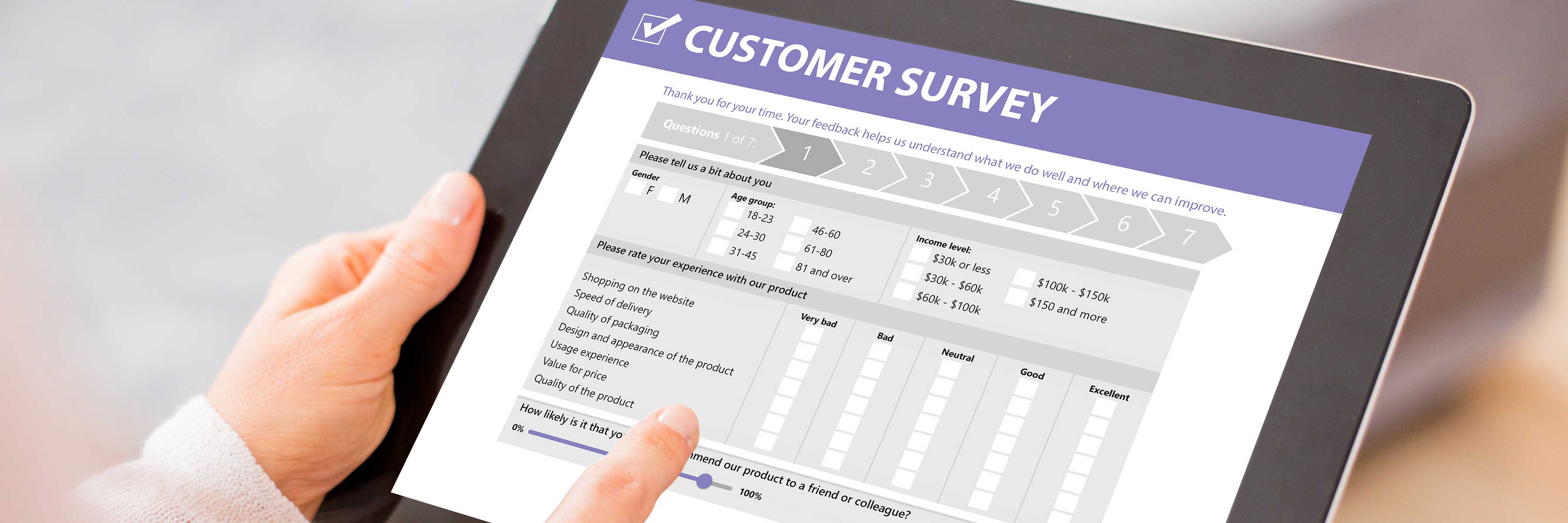





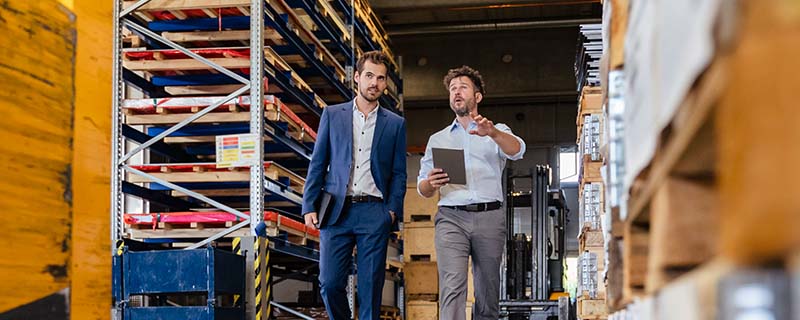




Your business most likely caters to customers from different generations. Doesn't it make sense to employ people from all generations to help make your products or services appeal to as many people as possible?
"Including a range of ages in your staff adds value to the organization," says Andrea Boatman of Academy to Innovate HR.* "Younger employees are accustomed to rapidly developing technology and adapting to the changes it drives. In like manner, more mature employees have knowledge from the duration of their experience that can guide decision-making. The collaboration of fresh innovation with wisdom from the experience brings increased productivity."
Each generation has something to offer that is unique from the others. Baby Boomers are known for a strong work ethic, and being the older generation, they have a great deal of experience in work and in life. They are often great with face-to-face communication and long-term planning. These are invaluable assets to a business. Gen Xers are known for having balanced perspectives and bringing adaptability to the table. Many are well-versed in independence and have great leadership skills. Millennials are often seen as excelling in technology and in collaboration with others. Gen Zers, the youngest of our current working generations, have grown up completely in the digital age and have fresh, younger perspectives, which can be great for innovation.
Imagine only employing one of these sets of people, and you can see where you might be missing out on extremely important qualities. Having these characteristics working in tandem can serve to improve your operations.
"A senior employee with decades of experience might be in an excellent position to share knowledge and insights with younger workers about industry, management, and negotiation," said Ellen Bailey and Cevin Owens in a Harvard Business paper, “Unlocking the Benefits of the Multigenerational Workplace.”** "Conversely, a Gen Z new hire might be the best person to show colleagues how to get the most business benefit from social media or collaboration tools. In today’s intergenerational workforce, knowledge does not cascade downward like a waterfall. Instead, it spreads out and flows in all directions, like a network of canals linking all the neighborhoods in a city."
Having a broad range of ages among your employees can help your business better connect to a broad range of ages among your customers. For example, millennials' technological skills can be used to attract or engage customers of their own generation or others, while Gen Z employees' understanding of digital trends could be leveraged to better serve older customer demographics who are increasingly using digital platforms. Boomers' face-to-face skills are likely to be appreciated by customers of this generation while also being beneficial to acquiring customers of younger generations. Similarly, millennials can use their collaboration skills to get to know customers and how to best serve them.
Of course, the skills each generation brings to the table are generalized here, and there is certainly plenty of crossover that you're likely to see with a multi-generational workforce. Generational diversity is important for innovation, and the more perspectives working together, the more potential there is for new ideas and strategies that can propel your business forward. Different viewpoints and experiences can lead to more creative solutions and help your business stay competitive.
Older generations can mentor the younger ones while younger generations can help keep older ones in tune with relevant trends and technologies. Everyone can work together to ensure the needs of all generations of customers are met.
Having a multi-generational team can give your business a strategic advantage. While some challenges may arise, they are unlikely to be anything that can't be worked through with regular communication and team building. Let your team get to know and appreciate co-workers from different generations and help them get a more well-rounded view of humanity. This is important for building a business that resonates with people of all ages, and it will give you a head start in preparing for the next generation of workers and customers.